- Joined
- Jan 4, 2026
- Messages
- 39
- Level up in
- 61 posts
- Reaction score
- 74
- Points
- 127
We’re all familiar with the term “Nintendo Hard,” but “NEC Hard” or “SEGA Hard” would be just as fitting, given how difficult games were in the 8-bit and 16-bit eras. When it came to arcade games, the high difficulty made sense from a business standpoint: players lost very quickly and either put more money in to continue (or restart) a game, or they gave up their spot to another player who, in turn, fed coins into the machine, leading to constant turnover and thus a steady stream of revenue.
It wasn’t good for business for a single player to monopolize a game with a single coin.
But when it came to console and computer games, the sometimes insurmountable difficulty lost some of its purpose. Even in the case of arcade game ports—which were certainly numerous but far from the majority on home machines.
According to some developers and even journalists, this high difficulty was necessary to hook players in the ’80s and ’90s who, in their view, were eager for a challenge. It was also meant to ensure the game had a long lifespan, in the sense that it forced players to replay it frequently in hopes of mastering and finishing it—unlike an easy game that players finished quickly and, supposedly, grew tired of just as fast.
As a gamer with 35 years of experience who lived through the (end of the) 8-bit era and (the full) 16-bit era, I can tell you: that’s total nonsense.
Neither I nor any of the gamers I knew—virtually all my friends, classmates, and cousins—played for the challenge or got excited by games that resisted us and taunted us with “game over” messages.
On the contrary. We rarely finished our games, or the games we lent to each other, and we weren’t the type to grind for hours just to see the ending. If after 30 minutes we couldn’t make any progress in a game, we’d move on to something else and would rather hang out outside than start the same level—designed by sadists—for the 50th time in a row.
This really illustrates the disconnect that sometimes existed between players and designers, but also the video game press.
Some journalists criticized certain games for being too easy (!), considering it a deal-breaker, which seemed completely absurd to me.
I much preferred an easy game that I could finish regularly—and which therefore wasn’t frustrating—to a tough game that didn’t let me have any fun.
Anyway. All this rambling to say: I’M TIRED OF GAMES THAT KICK MY ASS!
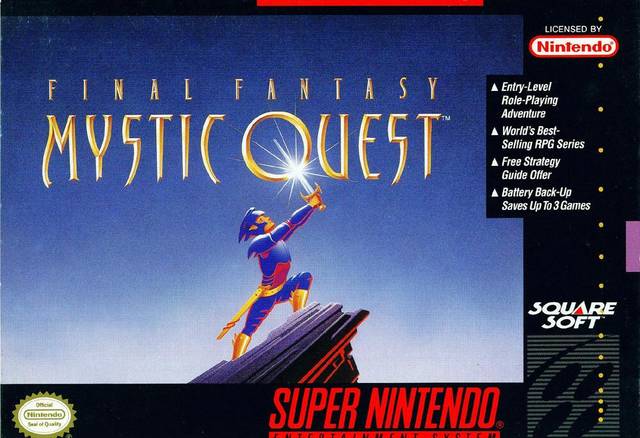
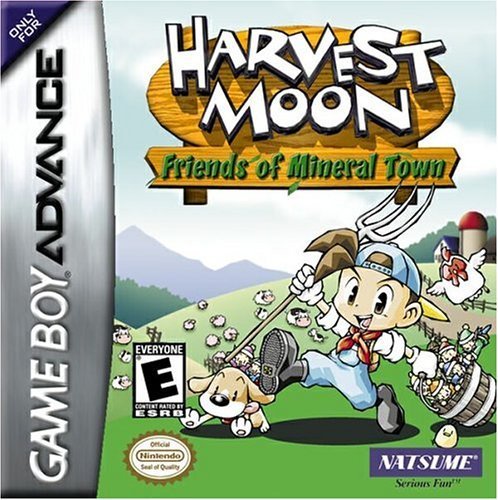
It’s also an excuse to share the easiest retro games you’ve ever played.
And don't try to cheat by mentioning visual novels!
It wasn’t good for business for a single player to monopolize a game with a single coin.
But when it came to console and computer games, the sometimes insurmountable difficulty lost some of its purpose. Even in the case of arcade game ports—which were certainly numerous but far from the majority on home machines.
According to some developers and even journalists, this high difficulty was necessary to hook players in the ’80s and ’90s who, in their view, were eager for a challenge. It was also meant to ensure the game had a long lifespan, in the sense that it forced players to replay it frequently in hopes of mastering and finishing it—unlike an easy game that players finished quickly and, supposedly, grew tired of just as fast.
As a gamer with 35 years of experience who lived through the (end of the) 8-bit era and (the full) 16-bit era, I can tell you: that’s total nonsense.
Neither I nor any of the gamers I knew—virtually all my friends, classmates, and cousins—played for the challenge or got excited by games that resisted us and taunted us with “game over” messages.
On the contrary. We rarely finished our games, or the games we lent to each other, and we weren’t the type to grind for hours just to see the ending. If after 30 minutes we couldn’t make any progress in a game, we’d move on to something else and would rather hang out outside than start the same level—designed by sadists—for the 50th time in a row.
This really illustrates the disconnect that sometimes existed between players and designers, but also the video game press.
Some journalists criticized certain games for being too easy (!), considering it a deal-breaker, which seemed completely absurd to me.
I much preferred an easy game that I could finish regularly—and which therefore wasn’t frustrating—to a tough game that didn’t let me have any fun.
Anyway. All this rambling to say: I’M TIRED OF GAMES THAT KICK MY ASS!
It’s also an excuse to share the easiest retro games you’ve ever played.
And don't try to cheat by mentioning visual novels!