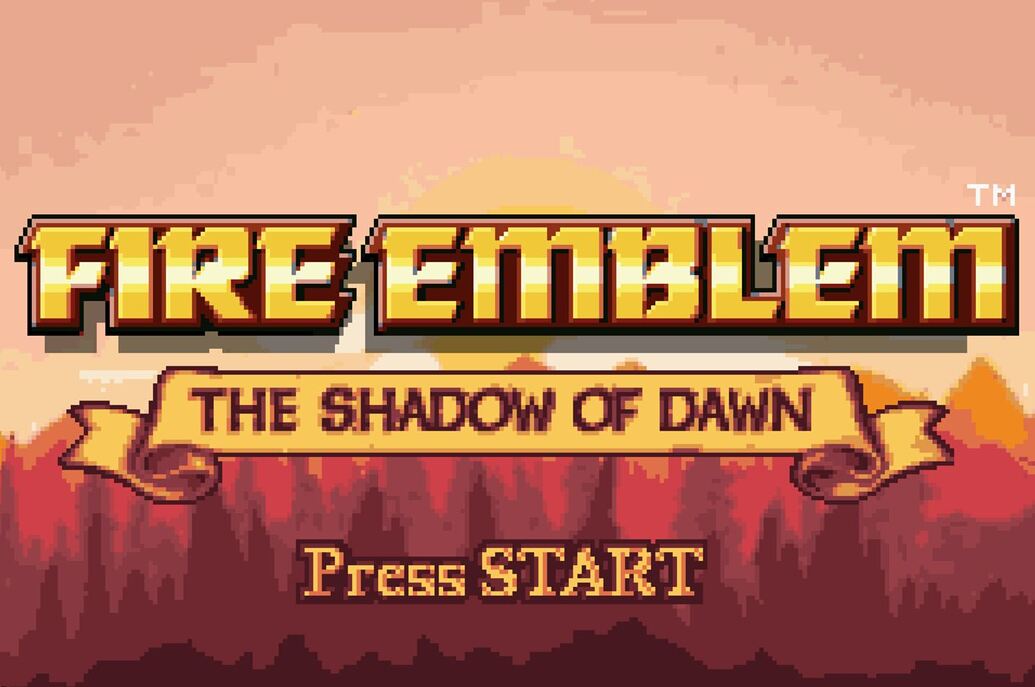
| GAME INFORMATION | |
|---|---|
| Game Name | Fire Emblem The Shadow of Dawn |
| Region | USA |
| Console | GBA |
| Game Release | 2025-08-13 (0 years ago) |
| Genre | Hack, Tactical RPG |
| Publisher | N |
| Languages | English |
| Image Format | .gba |
| Downloads | 1,044 |
| Users Score | |
Game Description:
What's included in the download?: .ups file and prepatched rom for the hack, legacy patches, credits, and a recruitment guide
Starseeker's notes: this game is a direct sequel to fire emblem the dark amulet
https://retrogametalk.com/repo/gba-roms/fire-emblem-the-dark-amulet-hack/
FEUniverse Link: https://feuniverse.us/t/fe8-complete-the-shadow-of-dawn-v1-4-09-05-2025/33523
FEUniverse Description:
- Game Design Philosophy
A lot of the game design philosophy of The Shadow of Dawn is consistent with The Dark Amulet. I haven’t deviated too far from vanilla gameplay, but I like to think I’ve spiced things up with clever custom classes, skills from SkillsSys, and a fair deal of fun-to-use PRFs.
The core of the game is using the Fire Emblem medium to tell deep story filled with compelling characters. The gameplay on its own is fun, but being immersed in the narrative and wanting to know what happens next is what propels the player forward (I hope!).
Like with The Dark Amulet, I wanted all the characters to matter, feel real, and impact the plot, not just the main Lord. I think I’ve achieved that, here. Of course, the cost of doing this is that there are a lot of essential characters. This is not a game to iron man. If a character dies, you’re probably resetting the chapter.
The key design difference with The Shadow of Dawn is that I really tried my best to delay the bench for as long as possible. In this game, you never have to bench a unit until Chapter 22. That’s essentially the start of the late game. So, for the first two thirds of the game, there is no unit benching. You get lots of time to try out most of the units before deciding who your core team is.
The reason the bench can be delayed for so long is because of the other unique design element of The Shadow of Dawn - the split party. There are two main Lord-type units in this game, and they have separate parties and separate convoys for most of the game. These two groups alternate chapters. So, by the mid game you might have 24 units in total, but only 12 in each of the two groups, meaning no benching is necessary.
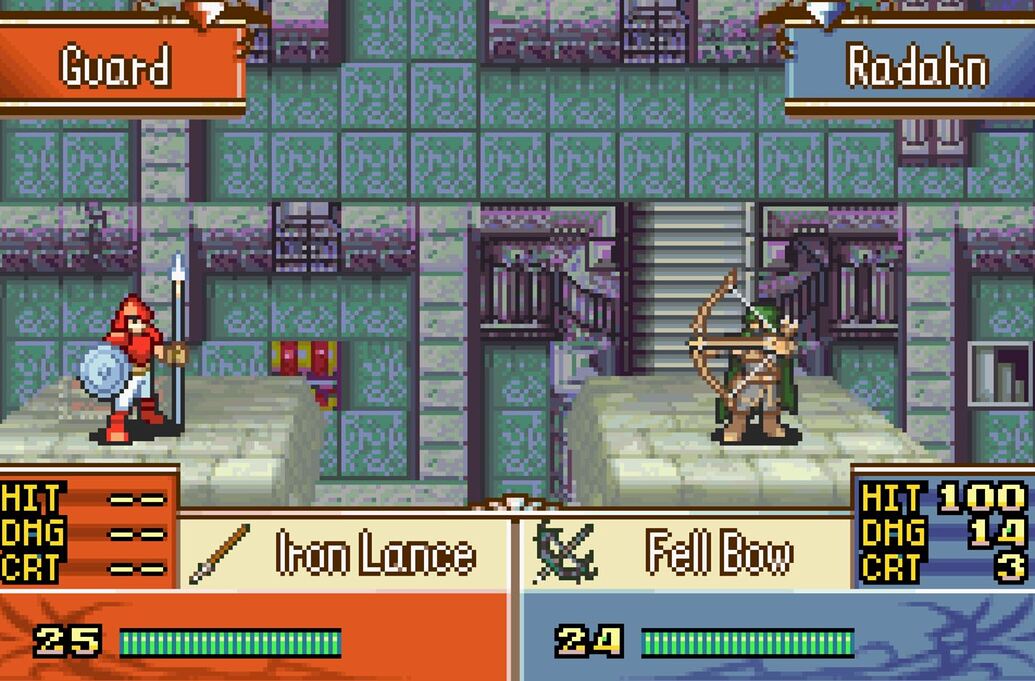
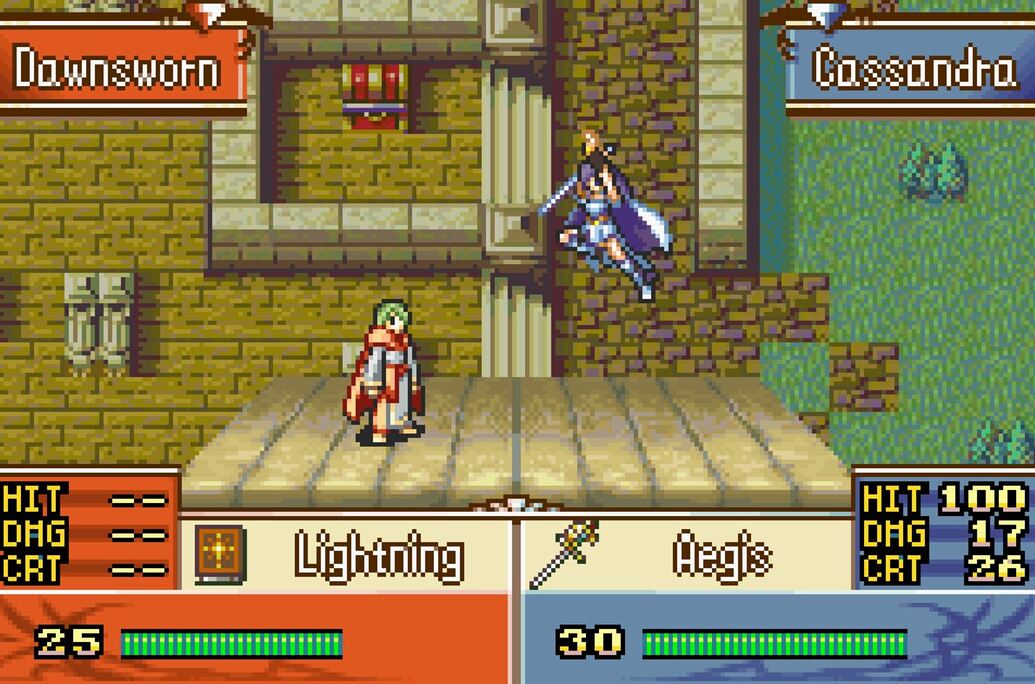
I found splitting the party to be a lot of fun from a narrative perspective and a game play perspective. From a narrative perspective, these two parties give you two distinct points of view of the events of the game. The two parties are not best friends - they actually operate at counter-purposes to each other for a long while. From a game play perspective, the two parties feel quite different. Cassandra’s party is more traditional, but with a heap of mounted units and fliers - it is a very mobile group. Radahn’s party feels a bit more strange and unbalanced in its unit types. It features very few mounted or flying units, but lots of powerful infantry.
The game should start straightforward (but tough) and gradually get harder. The Dark Amulet’s difficulty dropped after the early game because of all of the exp it gave you and low enemy hit rates. I’ve tried to keep the difficulty more consistent, here.
Like with The Dark Amulet, in The Shadow of Dawn each unit in your party has a niche and a role to fill. There is very little redundancy. There is only one instance of units sharing a class.
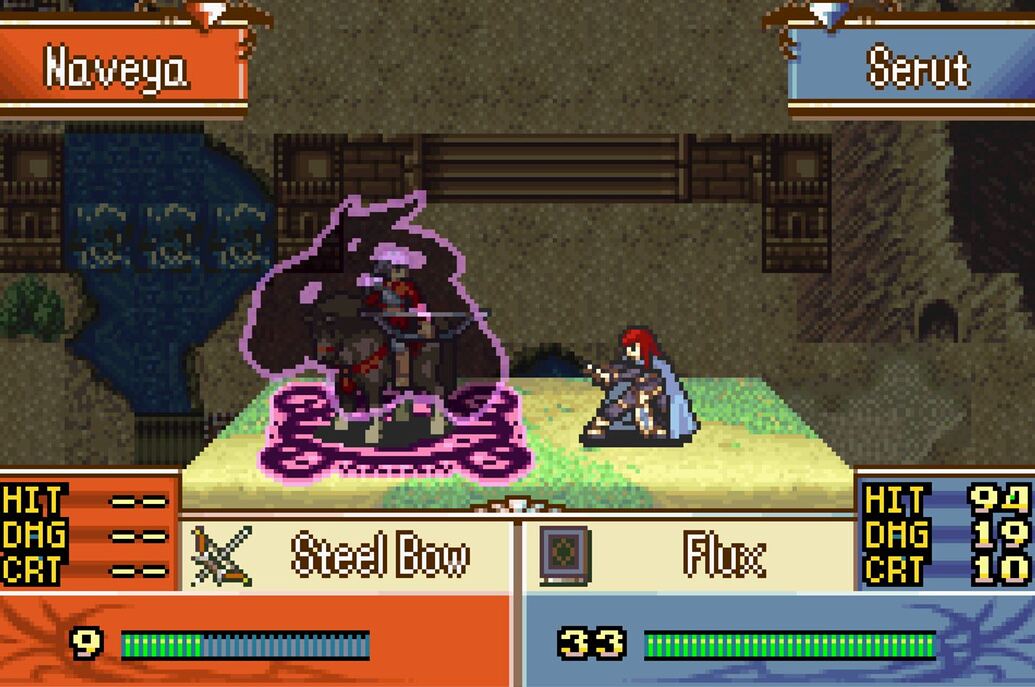
Skills are included to deepen the individuality of each unit, but reasonable limits are placed on them. Each unit has 1 personal skill and gains 1 skill upon promotion. There are very, very few proc skills. Enemy units usually have no skills, and definitely have no proc skills. Melee infantry have shove. Cavalry/ fliers have canto.
- Sequel Reminder
Before I go any further, let me be very clear: this game is a sequel to The Dark Amulet, got it?
Spoilers about The Dark Amulet are going to be found in this post. In the screenshots, the plot summary, etc. Spoilers about The Dark Amulet can be posted as replies to this post without being hidden. So, proceed at your own risk if you haven’t played the first game, yet.
That being said, the narrative of this game does try its best to ‘catch you up,’ reminding you of the key events of The Dark Amulet when they’re relevant.
So, you don’t have to have played the prior game to understand or enjoy The Shadow of Dawn… but I certainly recommend it!
- Plot
If you want the plot, play the game!
Just kidding - the opening of the game is spelled out below, but nothing more than that.
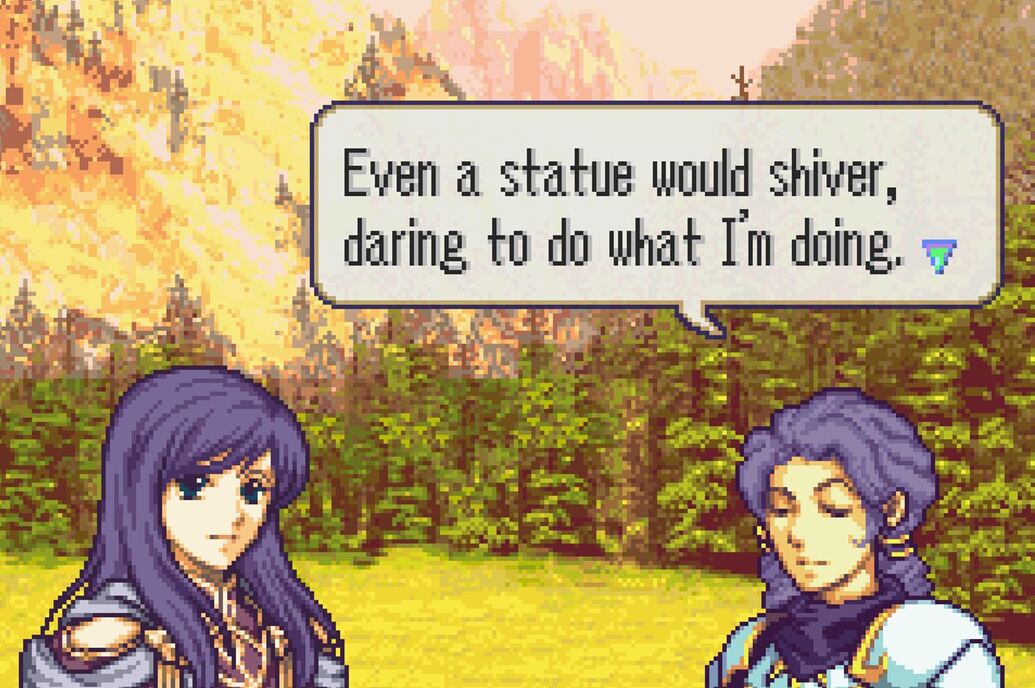
Not all is well in the land of Narshala. A small kingdom, bordered to the east by the powerful and warmongering Ghormar Empire, its king seeks any path to prolong its fragile peace. In fact, he hopes to marry off his sole daughter, Princess Cassandra, to strengthen his kingdom’s defence. Unbeknownst to him, Cassandra has a love of her own, and she does not intend to be married off to a stranger. She might just have to leave her kingdom, and her duty, behind…
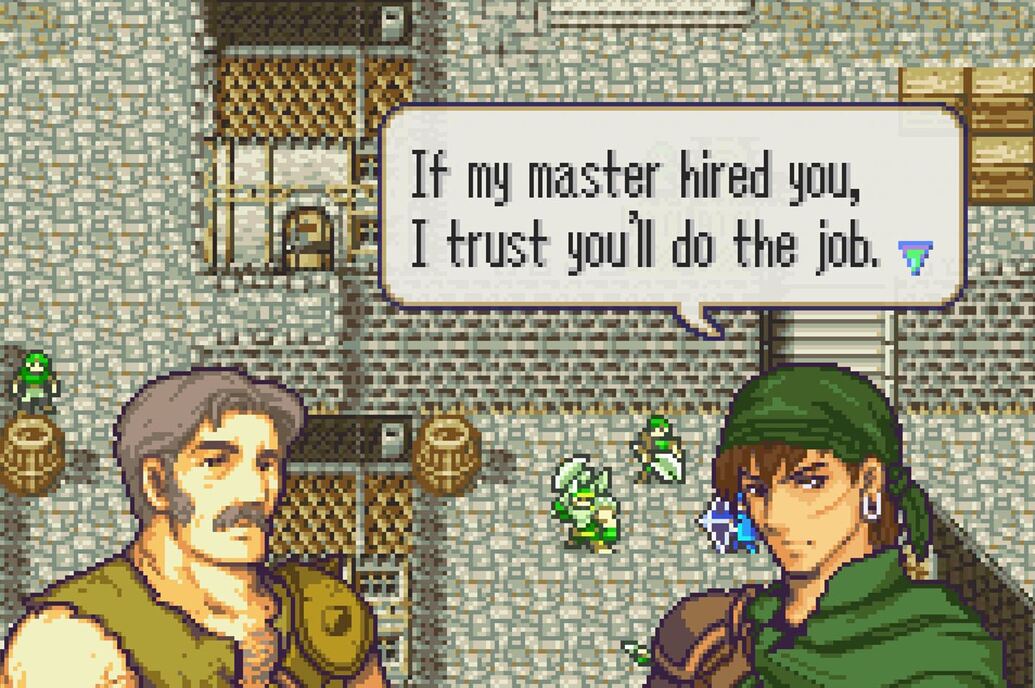
Meanwhile, in Redenze, a thief stalks the streets of the royal city of Tellias. This thief, Radahn, has fallen far from his former glory days as a General of the Ghormar Empire. But there is hope - a path to redemption, a means of earning back the Emperor’s favor. All his master requires is that he steal a tome of magic. Well, first a tome, and second, a certain Narshalan princess…
All eyes mortal and divine now turn to the Kingdom of Narshala. Radahn is not the only one seeking out Cassandra. The fate of not only the kingdom but the world might just depend on the actions of a fallen thief, and a runaway princess…
- Hack Features
- A sequel to The Dark Amulet. It is set ten years after the events of the prior game. It tells its own story, while also weaving in the loose threads - and many returning characters - from The Dark Amulet.
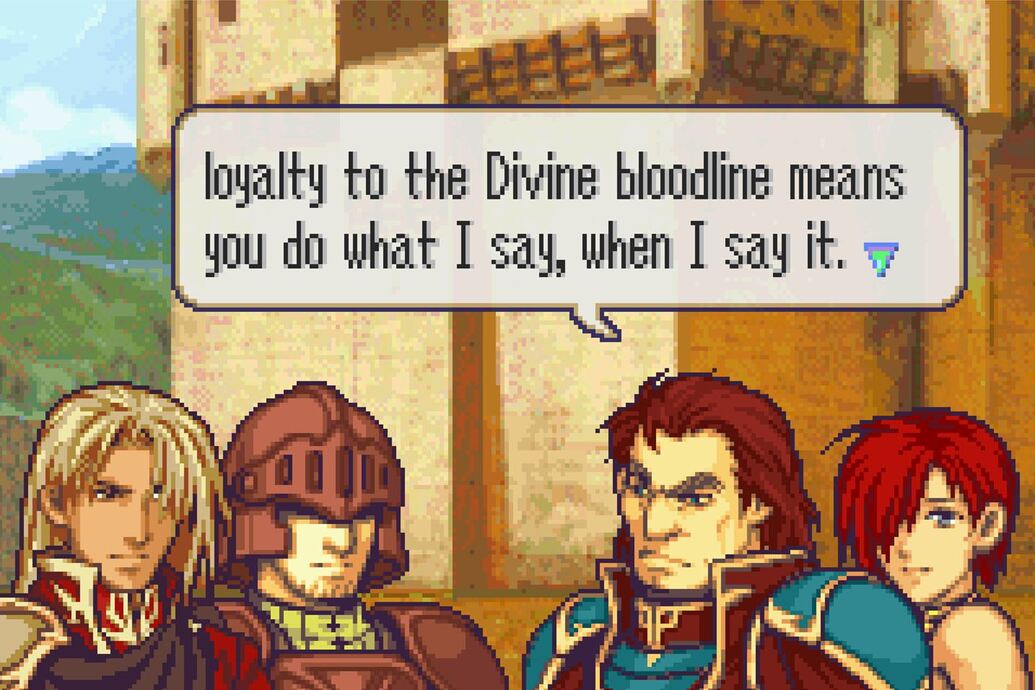
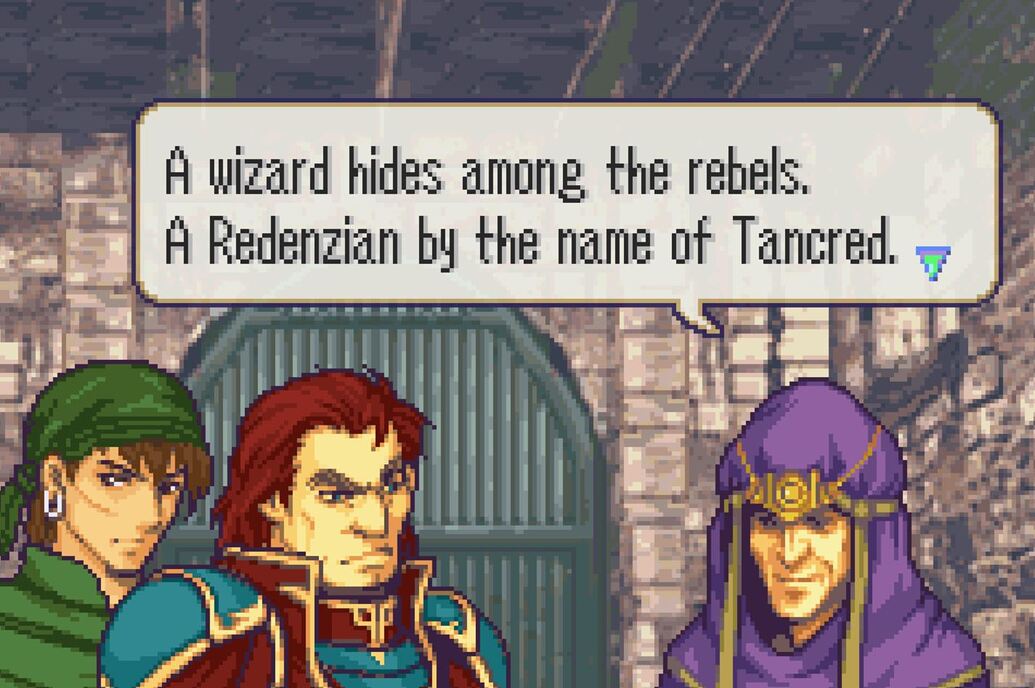
- A fun plot full of twists and turns. It takes itself seriously, but definitely revels in some classic Fire Emblem tropes.
- 37 chapters - 1 prologue, 28 main chapters, 1 final chapter, 7 gaiden chapters. No gaidens can be missed or skipped.
- The bench does not exist until Chapter 22! Lots of time in the early and mid game where you can deploy absolutely every unit available!
- Split party system. Jump between the two main Lords, Cassandra and Radahn.
- Split convoys, one for each of the two parties.
- Balanced around hard mode. Normal mode is pretty relaxed. Easy mode doesn’t exist.
- 35 playable characters with essentially no class redundancy
- Many plot essential characters. Not iron-man friendly.
- Supports are fully developed and written for all player characters
- Tellius / Vision Quest style supports
- Unlimited B-supports per character, but limited to 1 A-support per character
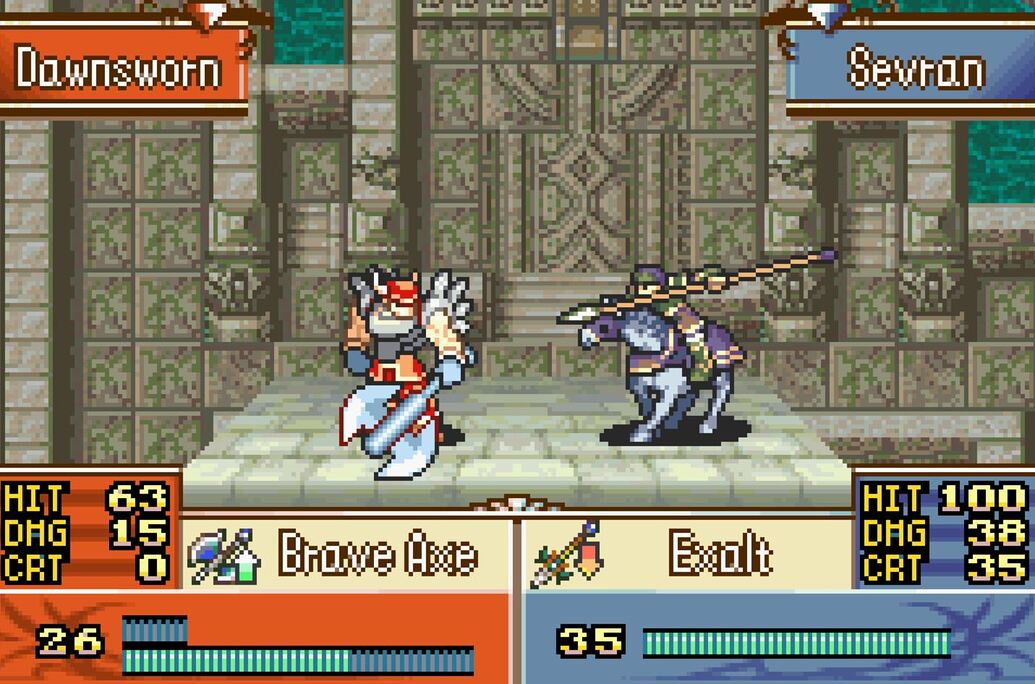
- Custom weapons and many fun PRFs to be found
- 2 Warps, 2 Rescues, 3 Hammernes - enough that there’s no need to hoard them until the very end. In fact, later game maps are balanced around using them.
- Custom classes, many of them familiar, a few of them pretty unique
- Player units have 1 personal skill and gain a second on promotion
- There are only a few fog maps, and the fog is weak (you can still see out 4 spaces)
- Some music from The Sacred Stones, but many tracks from elsewhere, too.
- Talk and support do not take your turn to complete
- Viewable growths
- Maps usually have anti-turtle measures like time limits, chests, villages, NPCs in need of saving, and nasty reinforcements
- Javelins and Hand Axes are not sold in shops until the mid-game. They have also had their might reduced by 1. Still very useful, just not quite as dominant as in vanilla.
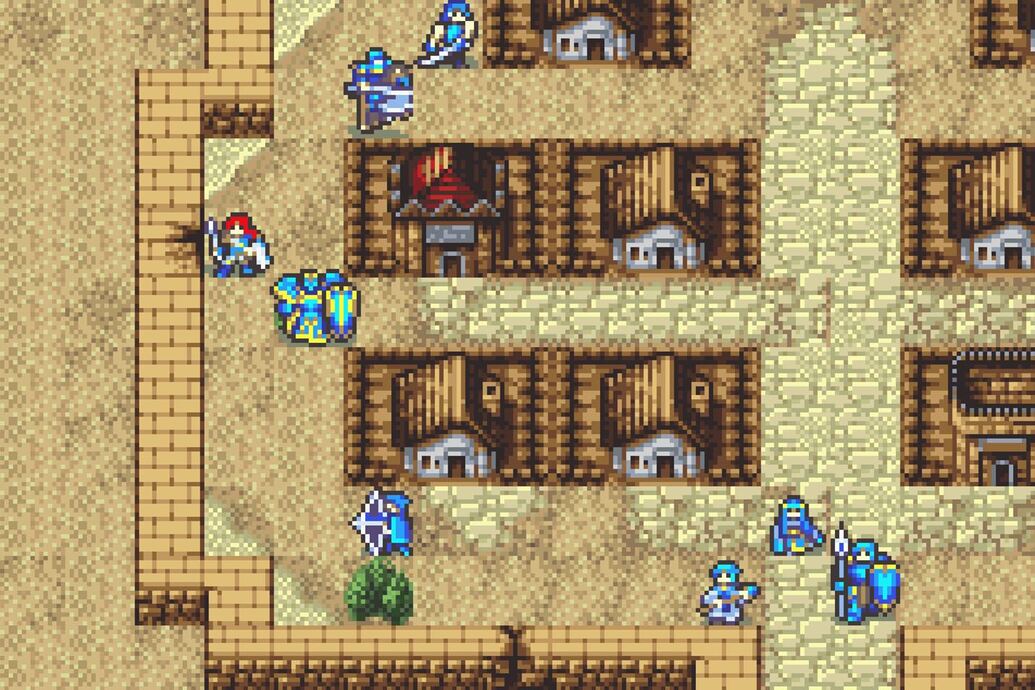
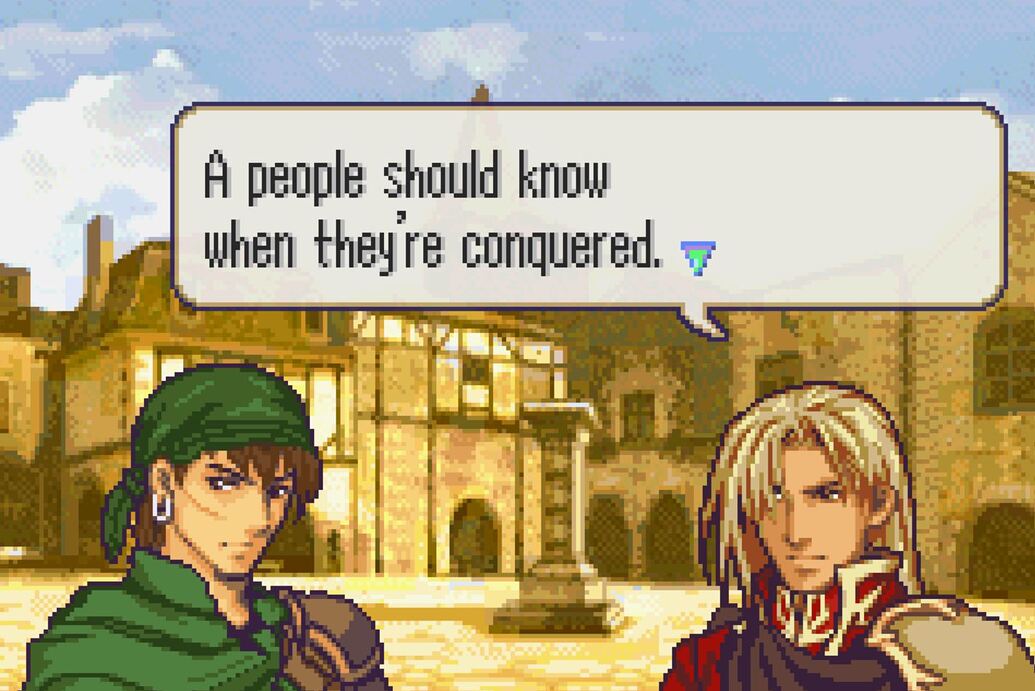
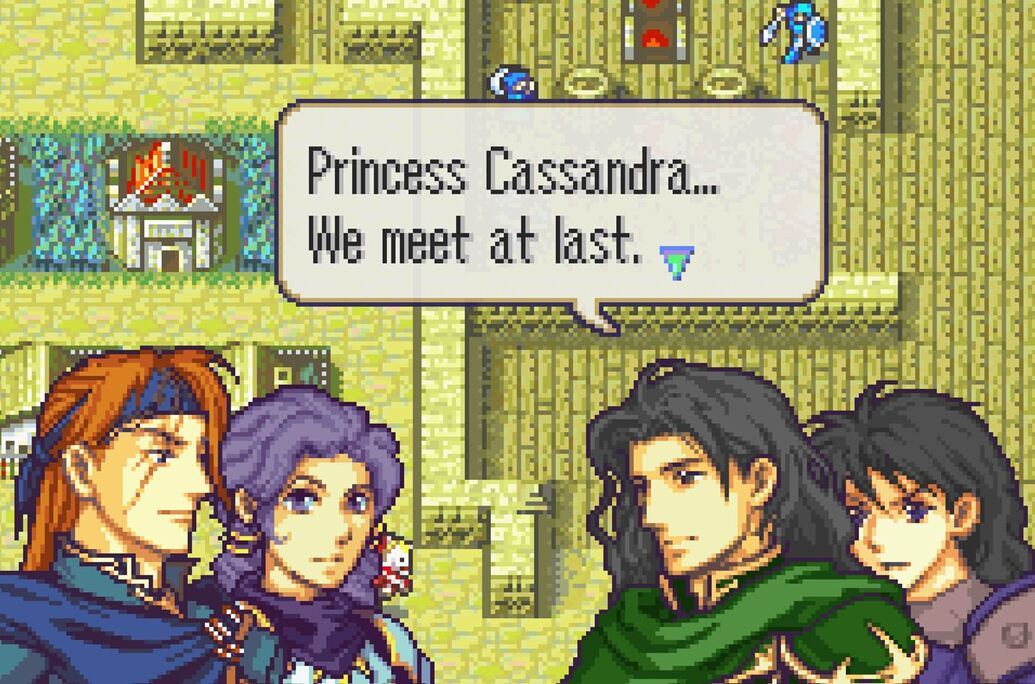
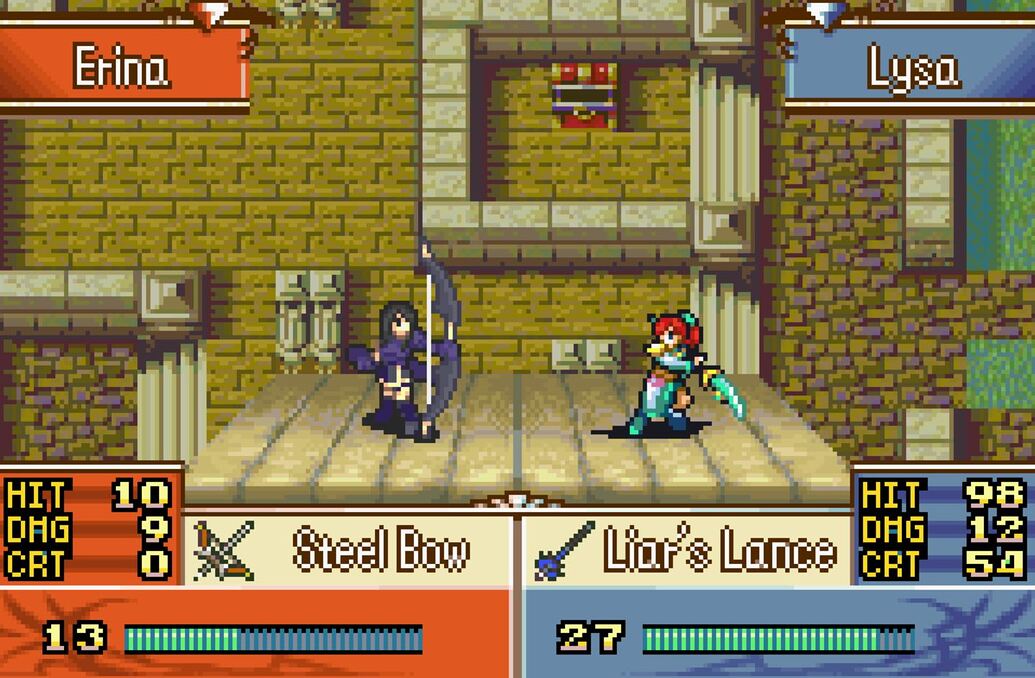
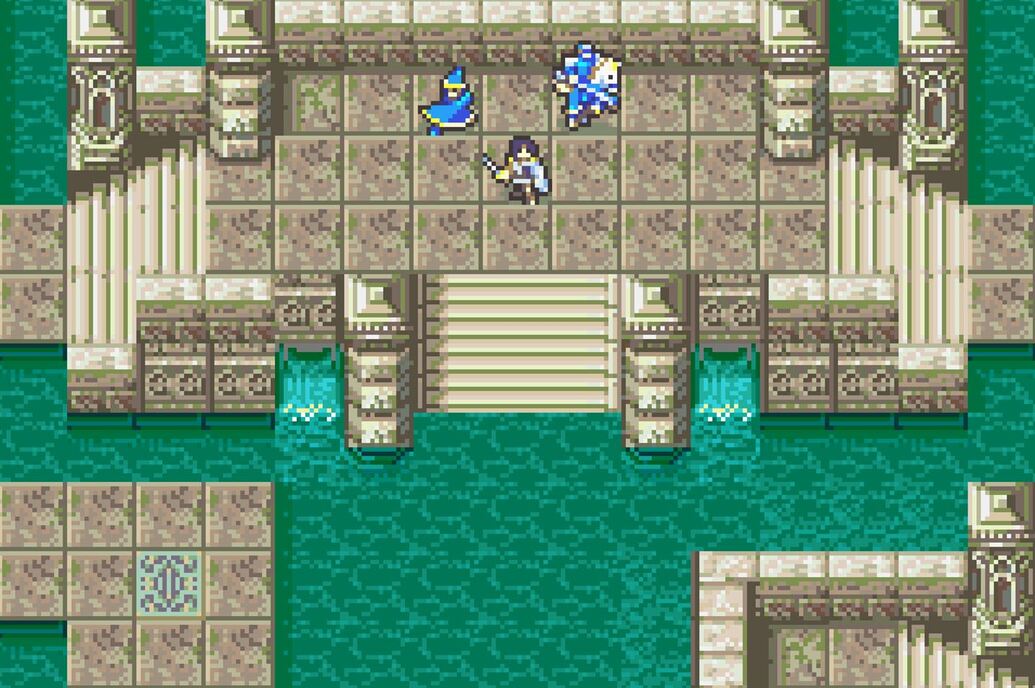
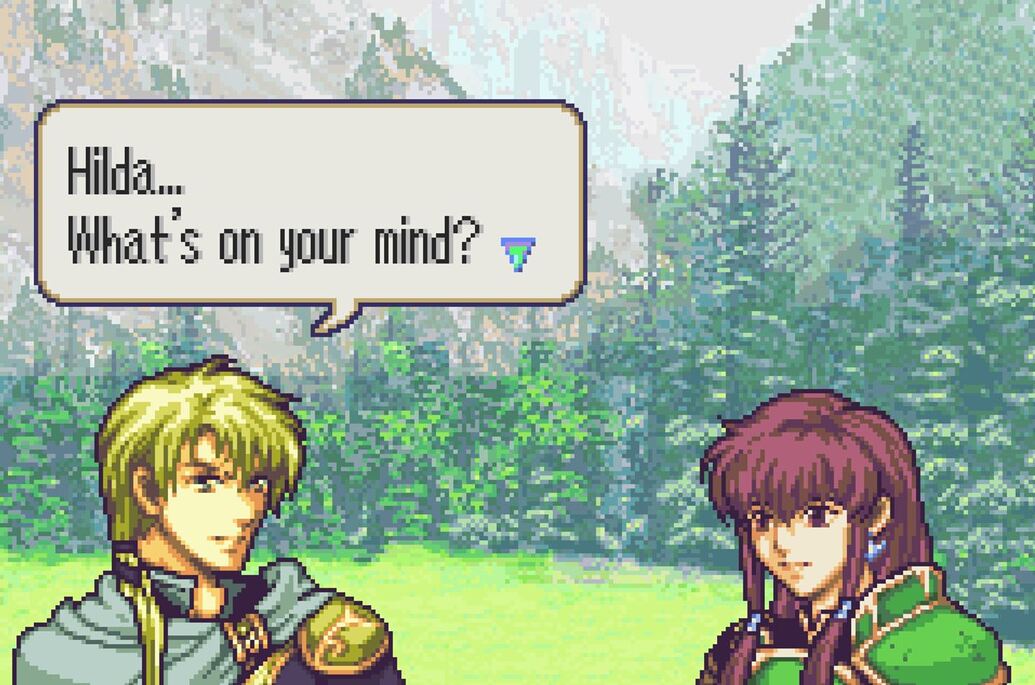
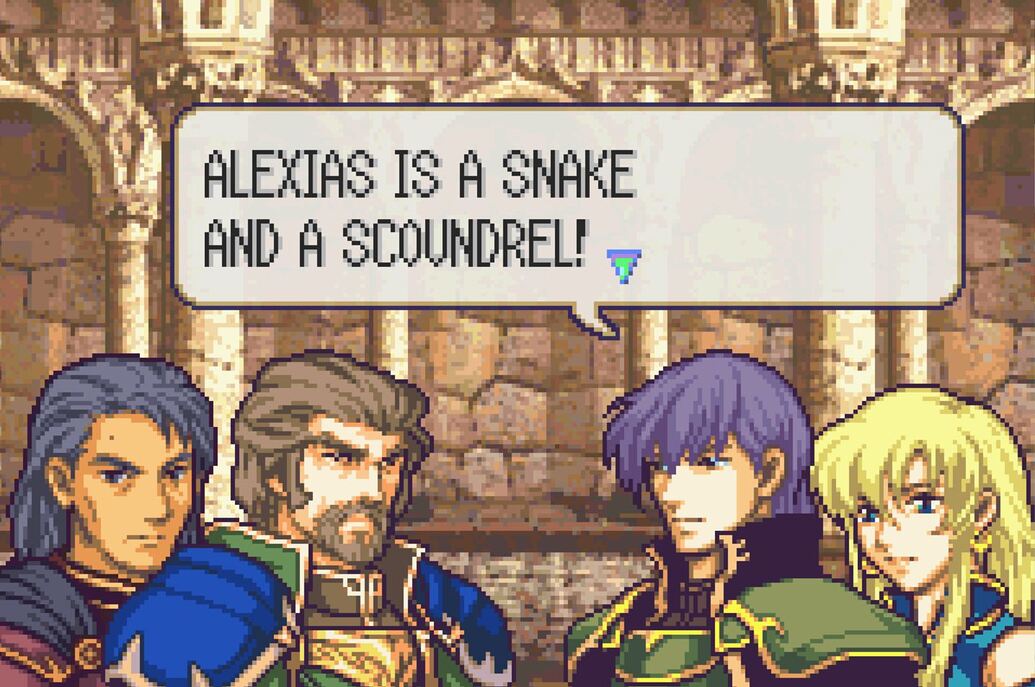
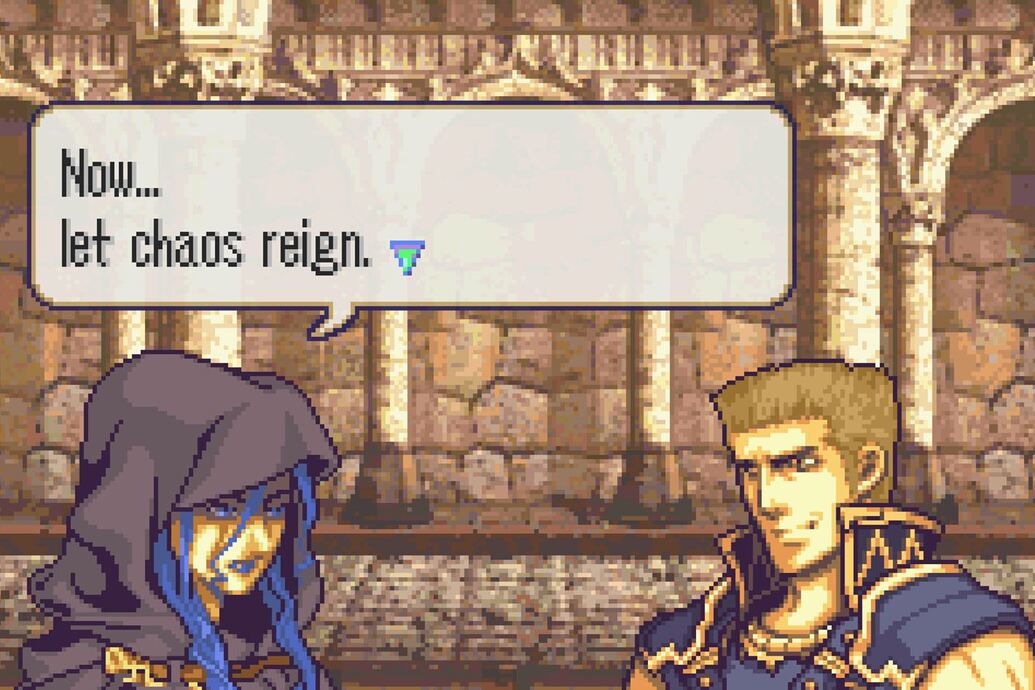
Game Screenshots: